Few guitar effects are as instantly recognizable as a wah-wah pedal. One movement of your foot can turn a clean guitar line into a vocal cry, sharpen a lead tone, or lock a rhythm part into a tight funk groove.
Quick answer: a wah pedal works by sweeping a resonant filter through part of the guitar's frequency range. Heel-down sounds darker and rounder; toe-down shifts the emphasis upward for a brighter, more nasal attack. The result resembles the changing vowel sound of a human voice — which is where the name wah-wah comes from.
What Is a Wah-Wah Pedal?
A wah-wah is a foot-controlled filter effect. Unlike distortion, delay or chorus, it does not create its main character by adding gain or repeating the signal. Instead, it changes which frequencies are emphasized while you move the rocker pedal.
That makes the wah unusually expressive. You are not simply switching an effect on and off; you are controlling the tone continuously while you play. Small movements can add phrasing and emphasis, while full heel-to-toe sweeps create the dramatic sound associated with classic rock, funk, blues and metal.
How Does a Wah Pedal Work?
Inside a traditional wah is a resonant filter whose center frequency changes as the treadle moves. The circuit boosts a narrow area of the frequency spectrum while reducing frequencies around it. Moving the pedal changes the position of that resonant peak.
- Heel down: the emphasized frequency moves lower, producing a darker, more rounded sound.
- Toe down: the peak moves higher, creating a brighter, sharper and more nasal tone.
- Halfway: the pedal can emphasize the midrange and work almost like a fixed tone-shaping EQ.
Because the resonant peak moves continuously, the sound appears to say “wah” as the pedal travels. Slow movements can make sustained notes feel vocal, while fast movements can become part of the rhythm itself.
Who Invented the Wah-Wah Pedal?
The wah grew out of amplifier development in the United States during the mid-1960s. While working on the VOX Super Beatle amplifier in 1966, engineers experimented with a midrange boost circuit and discovered that its resonant frequency could be swept with a foot-operated control. Brad Plunkett is generally credited with the key circuit breakthrough at Thomas Organ, VOX's U.S. operation.
The first commercial VOX wah appeared in 1967 and was marketed using the name of jazz trumpeter Clyde McCoy. The idea was that the effect could imitate the vocal quality of a muted trumpet. Guitarists quickly found a much more radical use for it, and the wah became part of the vocabulary of psychedelic and hard rock.
The First Wah Pedal and the Clyde McCoy Connection
Early VOX units carried Clyde McCoy branding because the sound resembled his trumpet-mute technique. That marketing choice is an important part of the pedal's history: an effect originally associated with brass-like expression became one of the defining sounds of electric guitar.
Guitarists Who Defined the Wah Sound
Jimi Hendrix
Hendrix made the wah feel like part of the guitar's voice rather than an add-on effect. His use combined wide sweeps, bends, vibrato and rhythmic movement, establishing the expressive rock vocabulary that players still study today.
Eric Clapton
Clapton often used the wah more selectively, letting the filter shape phrases rather than constantly sweeping it. This is a useful lesson for players who find that too much wah can make every phrase sound the same.
Slash
Slash helped define the modern lead-guitar use of wah: strong midrange focus, sustained notes and sweeping accents that help solos cut through a dense rock mix.
Tom Morello
Morello treats wah as a sound-design tool as much as a traditional solo effect. Rhythmic pulses, unusual placements and combinations with other effects show how far the original concept can be pushed.
Funk Players
In funk, the wah often becomes part of the groove. Short heel-to-toe movements synchronized with muted 16th-note strumming create the classic percussive “wacka” texture.
Where Should a Wah Pedal Go in the Signal Chain?
The most common starting point is early in the chain, usually after the tuner and before compression, overdrive and distortion:
Guitar → Tuner → Wah → Compressor → Overdrive / Distortion → Modulation → Delay → Reverb → Amp
This position gives the wah a relatively clean guitar signal to filter before later effects change the dynamics and harmonic content. It is also the placement commonly recommended in pedal-order guides from BOSS and Dunlop.
Wah Before Distortion
This is the classic setup. The drive stage receives the already-filtered guitar signal, so the wah tends to feel integrated with the gain sound. It is a strong default for rock, blues and traditional lead tones.
Wah After Distortion
Moving the wah after a drive or distortion pedal usually makes the filter sweep more pronounced. The toe-down area can become brighter and more aggressive, which can work well for modern or deliberately extreme sounds.
There is no rule that says you must keep the wah in one position. Vintage-style fuzz circuits in particular can interact strongly with pedals placed before them, so experimentation is part of finding the best order for your rig.
For a complete example of pedal order in a gain-heavy setup, see our hard-rock pedalboard signal-chain guide.
5 Wah Pedal Techniques Worth Practicing
1. Vocal-Like Phrasing
Hold or bend a note and move the wah slowly through only part of its travel. Instead of pumping the treadle continuously, stop at the point where the note becomes most expressive. This makes the wah feel like phrasing rather than an automatic effect.
2. Rhythmic Funk
Mute the strings with your fretting hand and practice 16th-note strumming while moving the pedal in a steady heel-to-toe pattern. Once the foot movement is consistent, start changing where the sweep lands against the beat.
3. Parked Wah
Leave the treadle in one position and use the wah as a fixed resonant EQ. A slightly toe-forward position often adds a focused midrange character that can help a solo stand out without continuous movement.
4. Accent Individual Notes
Use short pedal movements only on important notes at the end of phrases. This can create a spoken, question-and-answer feel and is often more musical than sweeping through every note.
5. Slow Sweeps for Texture
With delay, reverb or modulation later in the chain, very slow wah movements can create broad tonal changes and atmospheric textures. The wah becomes a manual filter rather than a conventional lead effect.
What Should You Look for in a Wah Pedal?
Most wah pedals share the same basic idea, but they can feel and sound very different. When choosing one, pay attention to:
- Sweep range: how low and high the filter travels.
- Voicing: some wahs are warm and mid-focused; others are brighter and more aggressive.
- Activation: traditional toe-switch designs feel different from switchless optical systems.
- Size and treadle feel: important when space and foot control matter on a pedalboard.
- Adjustability: some models let you change Q, frequency range, gain or overall voicing.
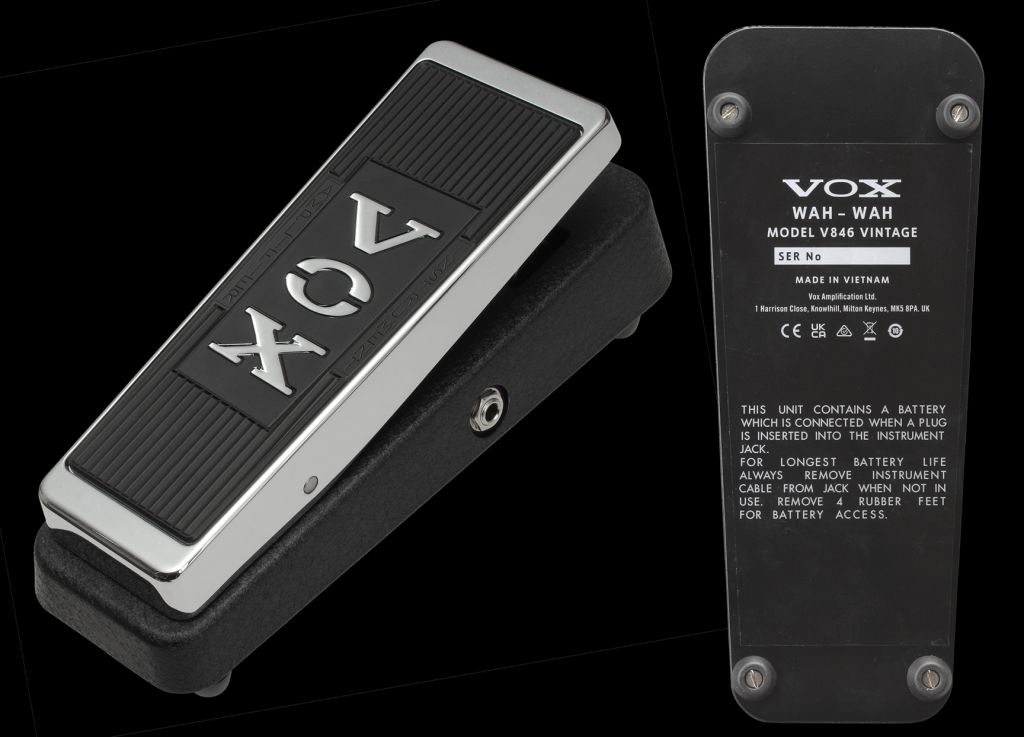
Classic reference points include the Dunlop Cry Baby family and VOX wah designs, while modern pedals may add adjustable sweep ranges, switchless operation or compact enclosures.
Wah-Wah Pedal FAQ
What does “wah-wah” mean?
The name is onomatopoeic: it describes the voice-like “wah” sound created as the resonant filter moves through the frequency range.
Should wah go before or after distortion?
Start with the wah before overdrive and distortion. That is the classic and most common placement. Put it after distortion if you want a more dramatic, brighter and more obvious filter sweep.
Is a wah pedal good for beginners?
Yes. The basic effect is easy to understand, but controlling it musically takes practice. Start with slow movements on sustained notes before trying fast rhythmic patterns.
Can a wah be used without constantly moving it?
Absolutely. A “parked wah” is a common technique where the pedal stays fixed at one point in the sweep and acts as a resonant tone filter.
Do digital multi-effects have real wah sounds?
Many modern multi-effects units model wah circuits and control them with an expression pedal. The playing technique is largely the same even though the filtering is created digitally.
A Simple Pedal With a Huge Vocabulary
The wah-wah has survived for decades because it responds directly to the player. It can be subtle or exaggerated, rhythmic or melodic, vintage or experimental. The circuit is simple in concept, but the musical result depends on timing, touch and where the pedal sits in the rest of the rig.
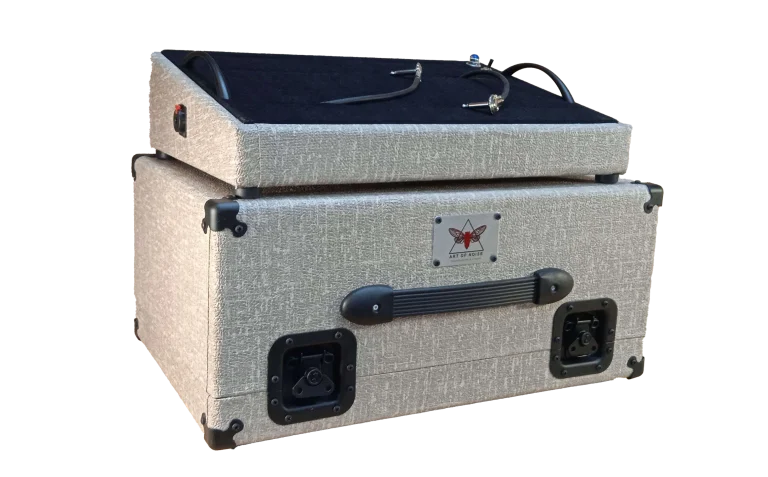
If you are building a board around a wah, remember that treadle pedals need comfortable foot access and enough room around them to use the full sweep. Use our pedalboard size guide to narrow down the footprint, explore the pedalboard collection, or send us your pedal list for help with the final layout.